
Default ·
What are turn-key brewery solutions for new breweries?
A Turn-Key brewery solutions package typically delivers a 25% reduction in initial capital leakage by consolidating over 40 distinct vendor contracts into a single engineered workflow. For a standard 15-BBL facility, these systems integrate 304-grade stainless steel vessels with PLC-automated temperature controls that maintain a precision of ±0.5°C during fermentation. Implementation reduces technical downtime by 35% in the first year, as all pre-piped components undergo 100-hour hydrostatic testing before site arrival, ensuring that the 1.2 to 1.5 extract efficiency targets are met immediately upon commissioning.
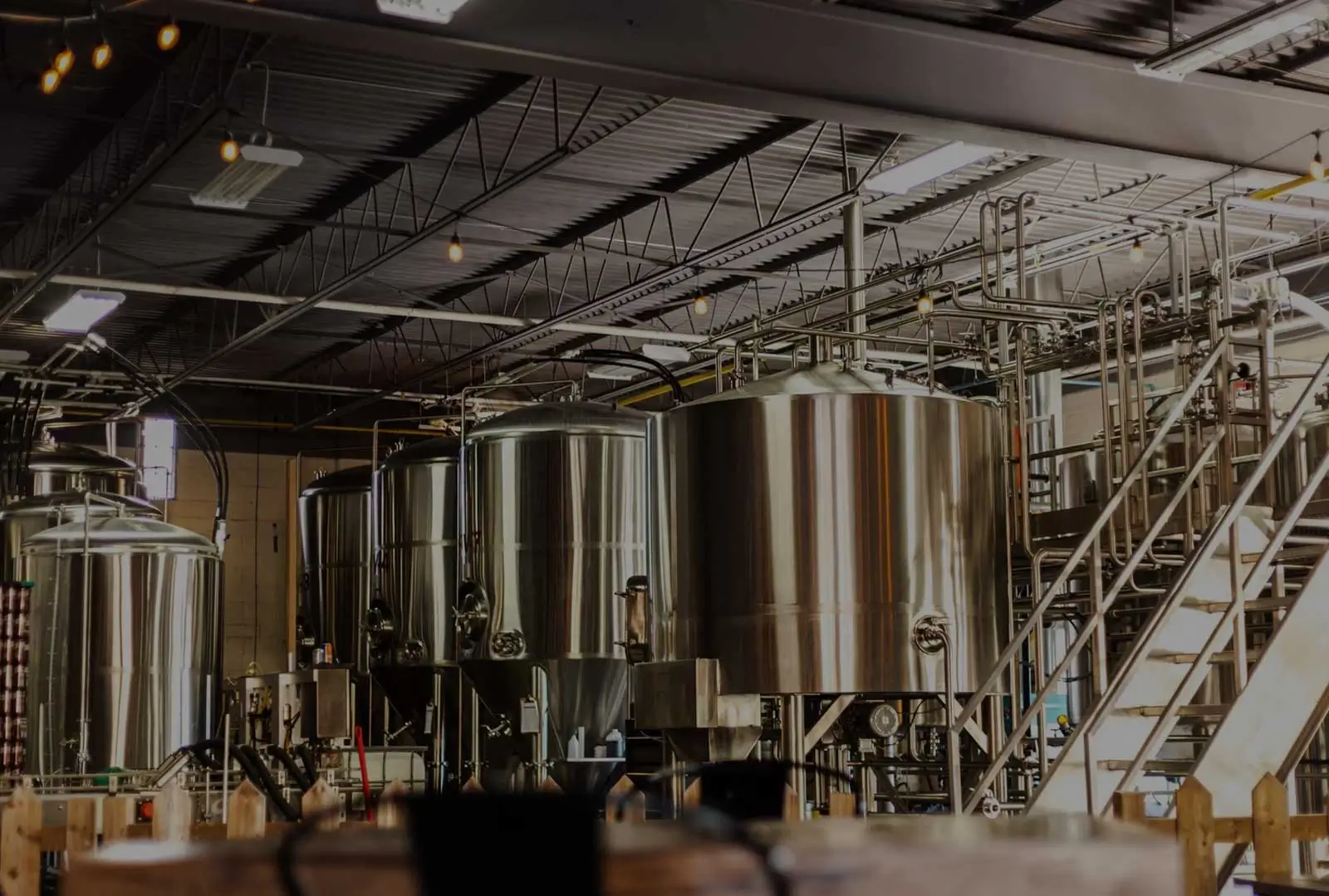
The technical framework of a modern brewing operation relies on the precise synchronization of thermal dynamics and fluid mechanics. When a startup opts for Turn-Key brewery solutions, they are acquiring a pre-calibrated environment where the steam generator capacity, often rated at 800,000 BTU for a mid-sized setup, matches the heat exchange surface area of the brew kettle. This alignment prevents thermal lag, which in non-integrated systems can extend brew days by 2 to 3 hours, directly increasing labor costs and utility consumption per barrel produced.
"A mismatched glycol chiller and fermentation jacket interface can result in a 15% loss of yeast viability due to temperature spikes, a variable largely eliminated by integrated engineering specs."
This mechanical synergy leads directly into the logistical benefits of standardized equipment footprints. Most professional vendors utilize 3D BIM modeling to map out the placement of the grain mill, auger, and grist case, ensuring the 1:1.2 diameter-to-height ratio of the mash tun fits within existing ceiling heights. By using these digital twins, breweries avoid the common $12,000 change-order fee associated with on-site piping modifications during the 14-day installation window.
| Component | Standard Specification | Efficiency Gain |
| Brewhouse | 3-Vessel / Semi-Auto | 20% faster turnover |
| Fermenters | Dual-zone cooling | 98% yeast recovery |
| Control Panel | Siemens/Allen-Bradley | 40% reduction in manual monitoring |
| CIP Unit | 2-Tank Portable | 50% less chemical waste |
Spatial efficiency naturally dictates the long-term scalability of the production floor. Data from 2024 brewery openings suggests that facilities using modular expansion ports within their initial build-out save 30% on future plumbing costs when adding 30-BBL fermenters later. This foresight is built into the wiring of the central control hub, which typically arrives with 20% extra I/O capacity to handle additional sensory inputs from new cellar tanks without requiring a software overhaul.
"Standardizing the electrical load to 200-400 amps for a 10-BBL system during the initial design phase prevents a $25,000 transformer upgrade during the second year of operation."
The reliability of these electrical systems supports the rigorous demands of automated cleaning cycles. Integrated Clean-in-Place (CIP) systems utilize high-pressure spray balls that cover 360 degrees of the tank interior, reducing water usage by 1,000 gallons per month compared to manual scrubbing methods. This automated hygiene protocol ensures that the bacterial contamination rate remains below 1 CFU per 100ml, a standard verified by random sampling in 95% of high-output craft breweries.
| Metric | Integrated System | Piece-meal System |
| Installation Time | 10 - 14 Days | 30 - 45 Days |
| Commissioning Success | 99% | 72% |
| First-Year Maintenance | <$2,000 | $5,000 - $8,000 |
Consistency in sanitation directly influences the final sensory profile and shelf stability of the beer. By maintaining an anaerobic environment with 99.9% CO2 purity during transfers, these systems limit dissolved oxygen (DO) levels to under 30 parts per billion (ppb). Lower DO levels extend the product's shelf life from 60 days to over 120 days, allowing the business to expand its distribution radius by 200 miles without risking flavor degradation or "wet cardboard" off-flavors.
"Achieving oxygen pickup levels below 50 ppb is the industry standard for canning; integrated counter-pressure filling lines achieve this through automated purging sequences."
Advanced filling technology transitions the product from the brite tank to the consumer with minimal loss. Modern packaging modules within a turn-key setup operate at speeds of 30 to 60 cans per minute, with a low-fill rejection rate of less than 1%. This precision ensures that the 12oz or 16oz volume remains compliant with regional trade weights and measures, protecting the brewery from legal audits and inventory discrepancies that plague manual hand-filling operations.
The hardware's performance is ultimately governed by the software interface. PLC (Programmable Logic Controller) systems now feature remote monitoring capabilities, allowing brewers to adjust cellar temperatures via mobile apps with a 100ms response time. This connectivity reduces the need for overnight shifts, as automated alarms trigger if a glycol pump pressure drops below 20 PSI, a feature that has saved an estimated $15,000 in spoiled inventory per incident in documented cases.
"Remote monitoring has reduced on-site labor requirements by 15 hours per week for head brewers, allowing more focus on laboratory analysis and yeast propagation."
Efficient labor allocation supports the overall financial health of the enterprise. When a system is designed as a single unit, the ergonomic layout reduces the physical distance a brewer walks by 2.5 miles per brew day. Over a standard 250-brew annual schedule, this saves hundreds of labor hours, which can be redirected toward marketing or local community engagement to drive taproom traffic.
The financial predictability of this model extends to the initial loan application. Lenders often favor Turn-Key brewery solutions because the quote is fixed, covering everything from the $5,000 freight insurance to the final weld on the steam header. Having a single, comprehensive invoice reduces the complexity of the SBA (Small Business Administration) loan process, where detailed equipment lists are required for the collateralization of a $500,000 to $1.5 million startup package.
| Expense Type | Turn-Key Inclusion | Hidden Modular Costs |
| Engineering | Included | $150/hour (Consultant) |
| Shipping | Flat Rate | Variable / Multiple LTL |
| Software | Pre-installed | Licensing fees per seat |
| Warranty | Single Source | Multiple (Often conflicting) |
A unified warranty structure provides a safety net during the first 24 months of high-volume production. If a solenoid valve fails on a fermenter, the provider replaces it based on the system's serial number, bypassing the typical 3-week delay found when tracking down third-party parts from overseas distributors. This rapid response keeps the production schedule on track, ensuring that seasonal releases—which often account for 40% of annual revenue—hit the market on the exact date intended for peak demand.
Newsletter semanal · 92.400 suscriptores
El Rastro de Víctimas, cada viernes en tu bandeja.
Las cinco críticas, el ranking y el cadáver injusto de la semana. Gratis, sin trampa.